

Every family has a closet full of them. The classics — Monopoly, Risk, Clue, Scrabble — games that have been on shelves for decades and get pulled out at holidays, rainy weekends, and game nights when no one can agree on anything newer.
But do they actually hold up? We ran each one through our Bamboo + Pandas ratings and gave them the same honest treatment we give every game.
Spoiler: some of them hold up. Some of them never deserved their reputation.
Some links below are Amazon affiliate links — as an Amazon Associate, King Panda Games earns from qualifying purchases at no extra cost to you. Full disclosure.
The Classics, Reviewed
Monopoly
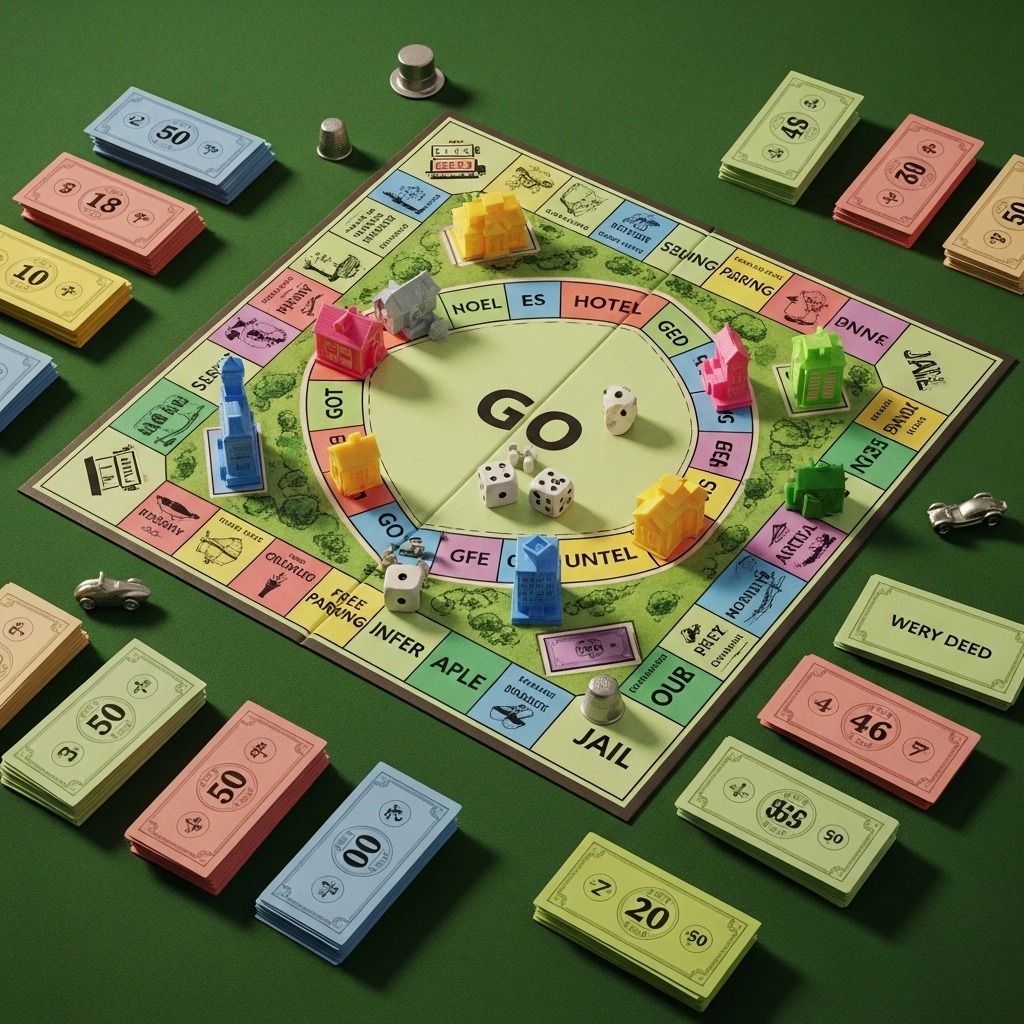
Monopoly is the most-played, most-sold board game of all time. It is not, however, a good game.
The rules are easy — everyone knows them, or thinks they do (most people play with incorrect rules that make it worse). The problem is the design itself. Once a player pulls far enough ahead, the outcome is determined but the game keeps going for another 90 minutes while the losers slowly go bankrupt. There’s no catch-up mechanism. There’s almost no strategic depth beyond early property acquisition. And most games end not when someone wins, but when everyone agrees to stop.
Here’s what makes it worse: most people play with house rules that slow the game down further. The Free Parking jackpot rule in particular turns a 90-minute game into a 3-hour slog by injecting extra money that keeps losers afloat longer.
One thing it gets right: the property negotiation phase, when it actually happens, is legitimately fun. Making trades and deals with other players is where Monopoly shows what it could have been.
Verdict: Skip it. If you must play it, use the actual rules — especially the auction rule (when someone lands on a property and doesn’t buy it, it goes to auction immediately). That one rule alone cuts an hour off the game.
Better alternatives: Ticket to Ride, Catan, Wingspan.
Risk
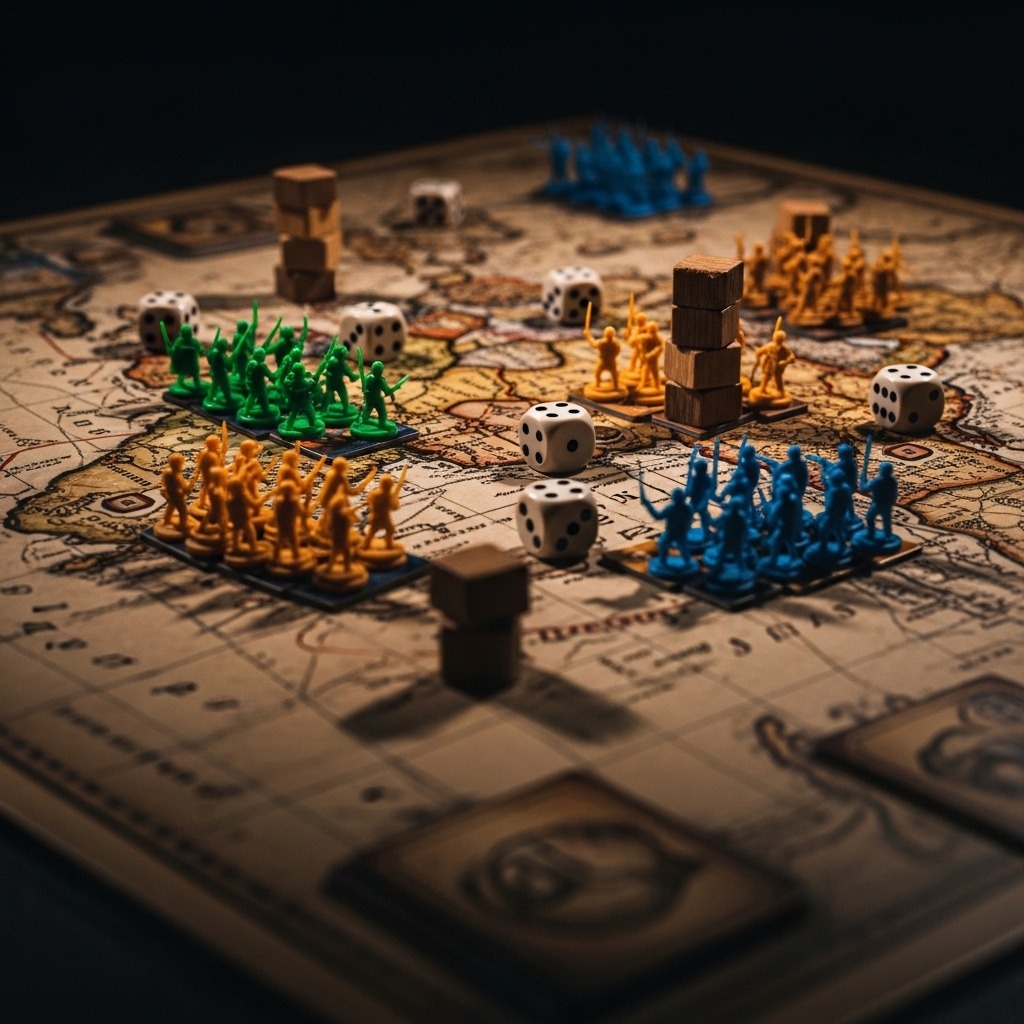
Global domination. Armies, dice, territory. Risk taught a generation of players what a “take-that” strategy game feels like, and for that it deserves some credit.
The problem is the dice. Risk is fundamentally a probability game with a strategic veneer. You can make all the right decisions — fortify borders, build a continent bonus, manage your cards — and then lose three battles in a row because the dice decided today wasn’t your day. The luck variance is enormous.
The other issue: once a player gets knocked out, they’re done. In a six-player game, that might mean sitting for two hours waiting for the game to finish.
What it gets right: territory control and the tension of holding a continent while the whole table tries to stop you is a genuinely compelling power dynamic. The map has an elegance to it. And Risk: Europe, Risk Legacy, and other modern variants solve many of the original’s problems.
Verdict: Play it for the nostalgia. Don’t expect a balanced strategy experience. Risk Legacy is a dramatically better version of the same premise.
Clue (Cluedo)
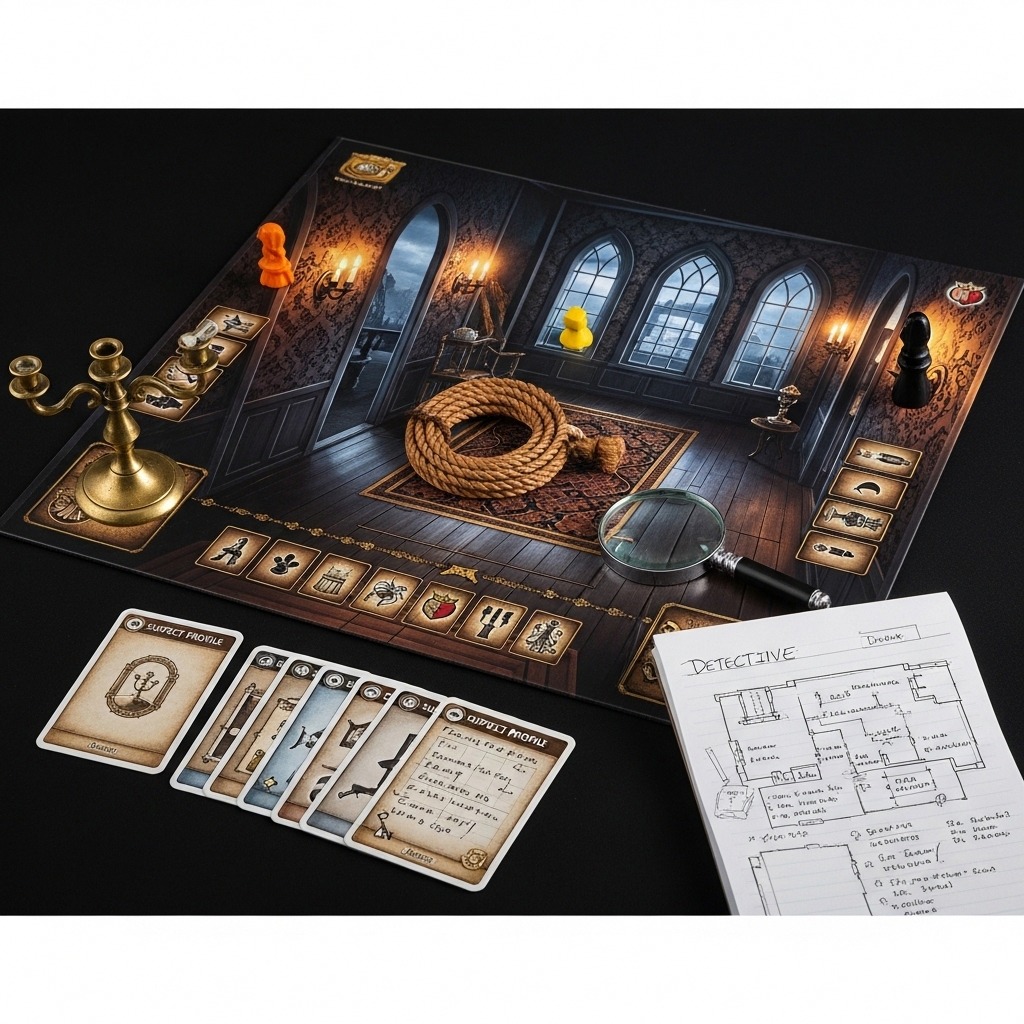
The whodunit holds up. You’re moving around the mansion, making suggestions, eliminating possibilities, and narrowing down the murderer, weapon, and room through logical deduction. The premise is so culturally embedded that you can teach it in five minutes.
The deduction mechanic is genuinely satisfying. When you eliminate your last possibility and make the final accusation, it feels like solving something. The game rewards logical thinking without making it feel like homework.
Minor complaints: luck plays a role in movement (you’re rolling dice to get to rooms), and with fewer players the deduction can stretch longer as suggestions take more time to circuit the table. The 2019 reprint modernized the art nicely without changing anything fundamental.
Verdict: Buy it. One of the classics that actually earns its reputation. The Clue: Master Detective edition adds more characters and suspects if your group wants more complexity.
Scrabble
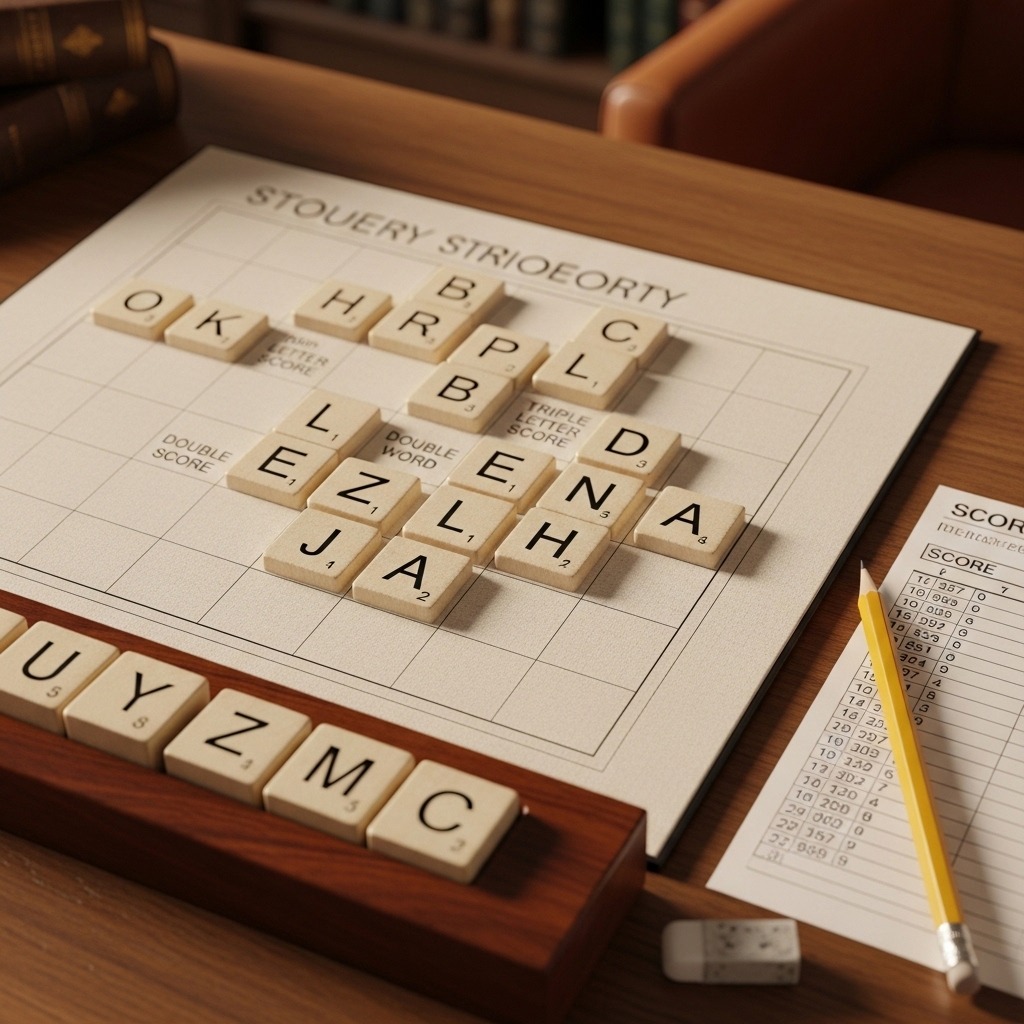
Word placement on a 15×15 grid, tiles with different point values, premium squares that multiply scores. Scrabble is fun in direct proportion to how balanced the vocabulary is at your table.
If everyone has a roughly similar vocabulary, Scrabble is competitive and engaging. If one player knows words like QOPH and FROE and the others don’t, it’s a tutorial in humiliation. The skill gap in Scrabble is real and it shows.
What it gets right: the tile draw gives you something to work with regardless of skill level, and there’s genuine satisfaction in landing a seven-letter word on a triple word score.
Verdict: Play it with evenly matched players. If you want a word game without the vocabulary dependency, try Codenames or Anomia instead.
Check Scrabble price on Amazon →
The Game of Life
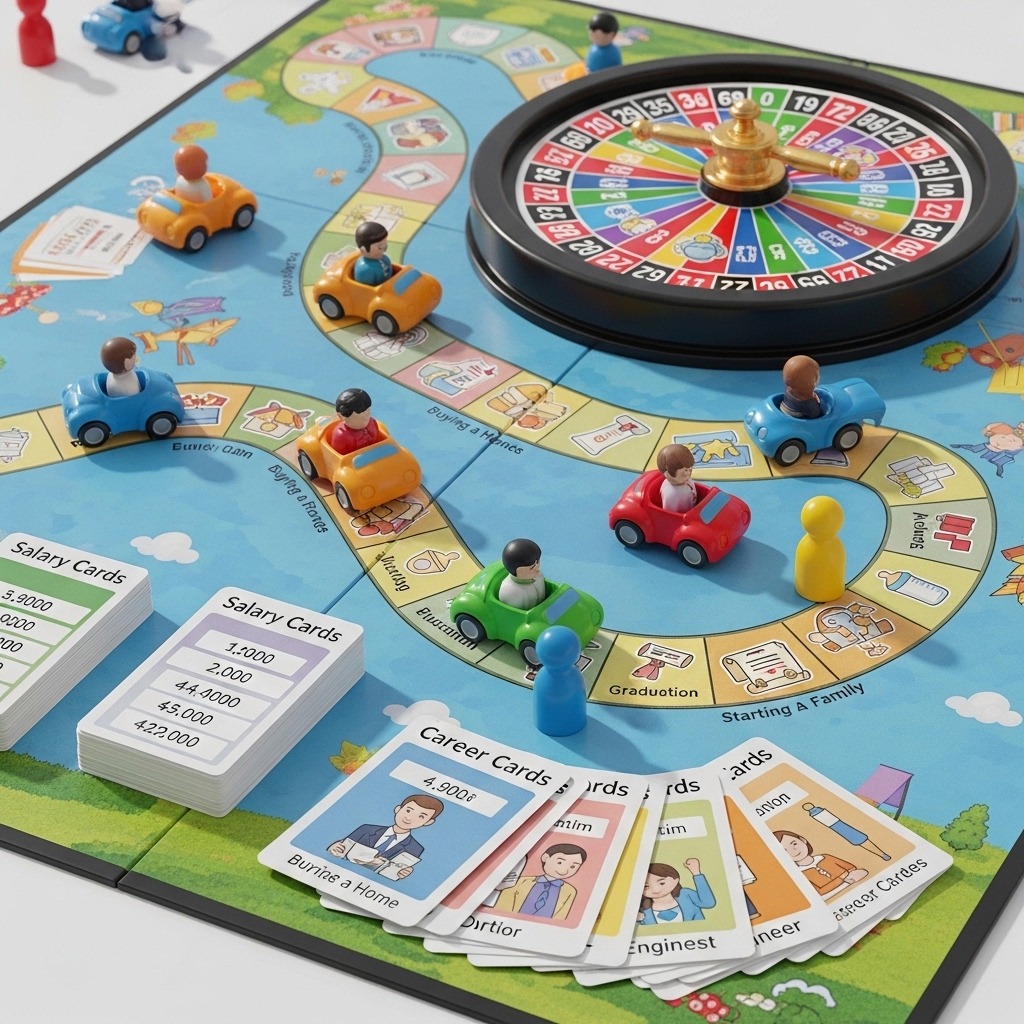
Life is not a strategy game. It’s a simulation of decisions that are almost entirely made for you. Spin the wheel. Land on a space. The space tells you what happens. Choose college or no college, but the choice is mostly cosmetic. Get married. Have kids. Collect money and lose money based on events you didn’t cause.
There’s almost no player agency here. That’s fine for very young kids learning what a board game is — take turns, move pieces, follow rules. But for anyone who’s played a handful of other games, Life is going to feel hollow.
Verdict: Acceptable for young children learning to play games. Outgrown quickly. There are better options for families at every price point.
Trivial Pursuit
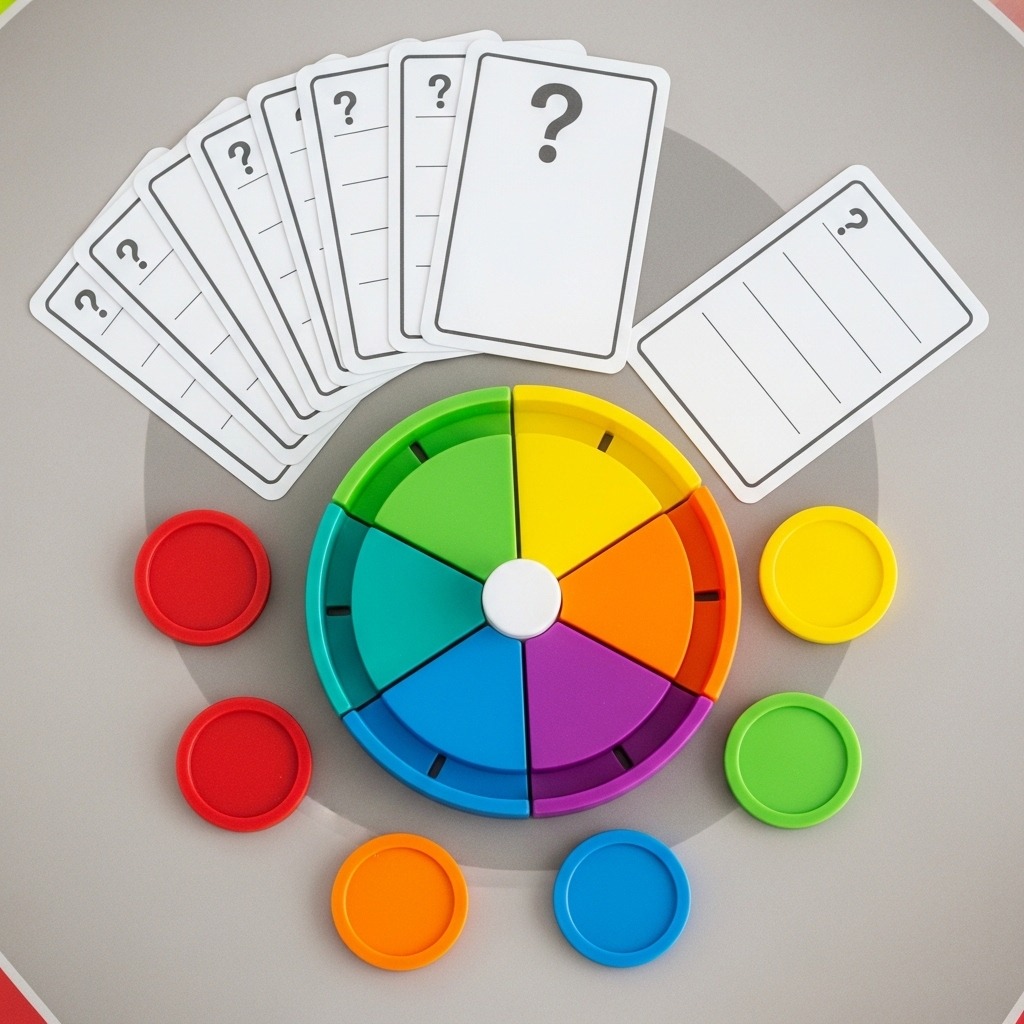
Trivia done classically. Six categories, pie wedges to collect, and a finish line at the center. Trivial Pursuit works as well as your group’s collective knowledge is balanced — and that’s both its strength and weakness.
The original edition has questions that skew heavily toward 80s and 90s cultural knowledge, which creates generational imbalance in mixed-age groups. The game has released dozens of editions trying to stay current, with varying success.
What it does well: the six-category structure ensures you’re not just playing to one type of knowledge, and the pie-collection mechanic gives the game clear progress even without a scoring chart.
Verdict: Buy a modern edition. The original questions are dated for new players. The 2000s or Pop Culture editions play better for mixed groups.
Check Trivial Pursuit price on Amazon →
Battleship

Grid-based deduction with hidden ship placement. Both players secretly arrange ships, then take turns calling coordinates hoping to score hits. First to sink all five enemy ships wins.
The appeal is clear — the concept is immediately intuitive and the “hit” and “miss” tension has a satisfying rhythm. The problem is it’s mostly luck-based. Experienced players will learn to hunt more efficiently (calling adjacent squares after a hit), but the initial placement phase is completely random.
For adults, Battleship is thin. For kids 7–10 playing their first deduction game, it works.
Verdict: Fine for kids, skip it for adults. Hive or Jaipur offer more depth in the same time.
The Classics That Hold Up
Best of the originals: Clue. It does what it set out to do, the deduction is satisfying, and it plays in an hour.
Honorable mention: Scrabble, if your group is evenly matched.
Overhyped: Monopoly. Its reputation exceeds its gameplay by a wide margin.
Check out our Best Board Games for Families for modern alternatives that outperform most of the classics, or our Best Games of 2025 for what’s worth buying new.
🎋 Budget Board Games
Best Board Games Under $30
Sequence — one of the best classic-style games still standing — costs around $22 and made our budget list.
Frequently Asked Questions
Is Monopoly a good board game?
Absolutely not. While it's the most-played game ever, its design flaws mean games drag on for hours after the winner is determined, offering little strategic depth. We recommend skipping it entirely.
How can I make Monopoly games shorter?
The best way to shorten Monopoly is to play by the official rules, especially the auction rule. When a player lands on an unowned property and chooses not to buy it, it must immediately go to auction, which significantly speeds up gameplay. Avoid common house rules like the Free Parking jackpot, which injects extra money and prolongs the game unnecessarily.
What's the biggest misconception about playing Monopoly?
Many players use incorrect house rules that actually make the game worse and longer. The most egregious is the 'Free Parking jackpot' rule, which adds extra money to the game, keeping losing players afloat and extending the agonizing slow bleed of bankruptcy.
What are some better board game alternatives to Monopoly?
If you're looking for a game with actual strategic depth and less player elimination, we highly recommend Ticket to Ride or Catan. For a more thematic and engaging experience, Wingspan offers a fantastic alternative that truly holds up.
Is Risk too reliant on luck?
Yes, absolutely. While Risk presents itself as a strategy game of global domination, it's fundamentally a probability game where dice rolls can completely derail your best-laid plans. The enormous luck variance often frustrates players more than it thrills them.
What makes Risk frustrating for players?
Risk is incredibly frustrating due to its high dice variance, meaning luck often trumps strategy in critical battles. Additionally, the player elimination mechanic means that once you're out, you could be sitting around for hours waiting for the game to finally conclude.
Does Monopoly have any redeeming qualities?
Surprisingly, yes, one aspect of Monopoly genuinely shines: the property negotiation and trading phase. When players are actively making deals and haggling over properties, it offers a glimpse into the engaging game Monopoly could have been.